
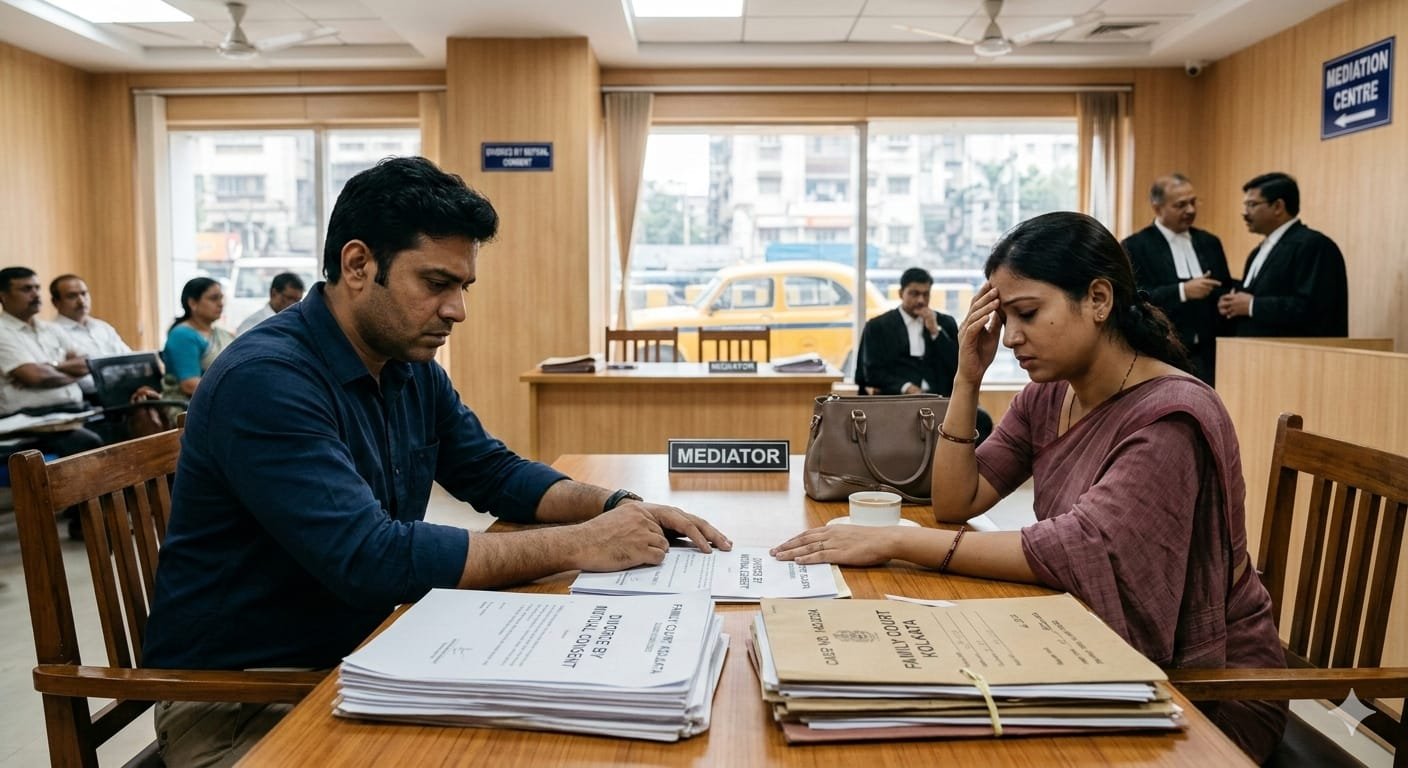
Divorce is one of those things you never imagine yourself going through — until you do. And when that time comes, everything feels like a blur: emotions are running high, and legal jargon doesn’t make it any easier.
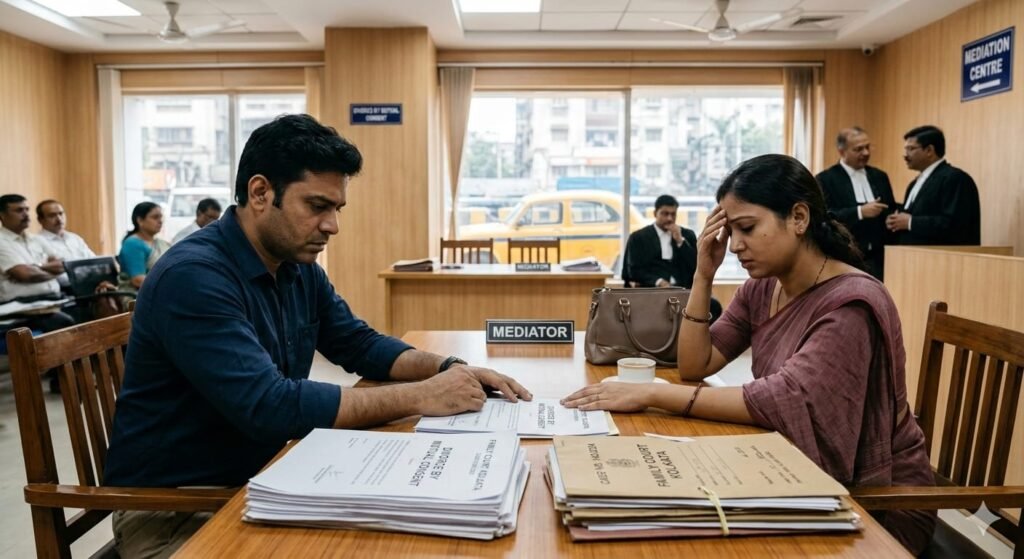
Let’s Start With: What’s the Difference?
A mutual divorce is when both partners agree that the marriage is over.
A contested divorce, on the other hand, is when things aren’t so simple. One partner might want the divorce while the other doesn’t, or both agree to part ways but disagree on key things like money, property, or child custody.
Now, let’s get into the real-world stuff that no one tells you until you’re knee-deep in paperwork.
Is Mutual Divorce Really That Simple?
In theory? Yes.
In practice? Not always.
Even though you both agree to separate, you still need to:
• Decide who gets what (property, savings, even the pet)
• Agree on whether any maintenance will be paid — and how much
• Figure out custody or visitation rights if kids are involved
And here’s the twist — if either of you changes your mind mid-way, the mutual divorce can hit a wall. That’s more common than you think.
So, Can a Wife Claim Maintenance After Mutual Divorce?
Absolutely. A lot of people believe that just because it’s a mutual agreement, there’s no financial support involved. Not true.
If the wife has no stable income or if it was agreed upon in the settlement, she can claim maintenance — either as a one-time amount or monthly. In fact, it’s one of the key points both parties need to settle before filing.
So don’t skip that part. Talk about money, clearly and openly — even if it’s uncomfortable.

What Does the Process Look Like?
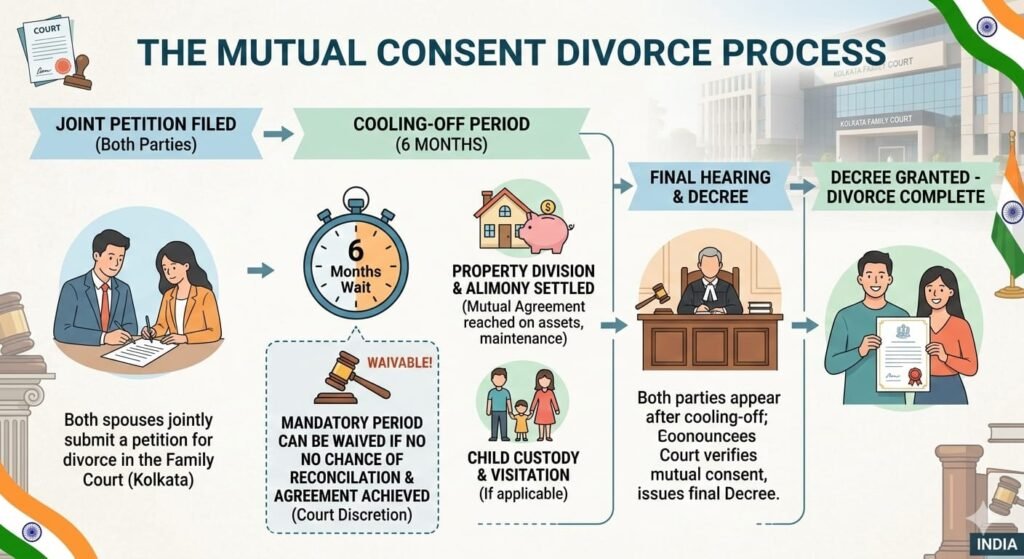
If you’re going for mutual divorce, here’s how it usually plays out:
- File a joint petition at the Family Court.
- The judge hears you out. If everything checks out, they’ll ask you to wait — a 6-month “cooling-off” period.
- After 6 months, you both show up again. If you still want the divorce, the court finalizes it.
📝 That 6-month wait can sometimes be waived — but only if the court is convinced there’s no chance of reconciliation.
What’s This “New Rule” Everyone’s Talking About?
Recently, the Supreme Court said something quite helpful: if both spouses are 100% sure about the divorce and everything’s already settled (property, kids, money), then courts can waive off the mandatory 6-month waiting period.
That means you could, in theory, wrap up a mutual divorce in a matter of weeks — not months. But it’s not automatic. You need to request it, and the court decides if it applies.
Can You Get Remarried Right After the Divorce?
Technically, yes. Once the court gives you the final divorce decree, you’re legally single again.
But here’s the catch: there’s a 90-day appeal window, where your ex could (in rare cases) challenge the divorce in a higher court.
So, most lawyers suggest waiting out that period before making any new commitments.
Can Mutual Divorce Turn Into a Messy One?
Sadly, yes.
A mutual divorce only works as long as both parties stay in agreement. If, at any point before the final court date, one person changes their mind, things can spiral into a contested divorce.
And once that happens, you’re looking at hearings, evidence, emotional stress — and a longer legal process.
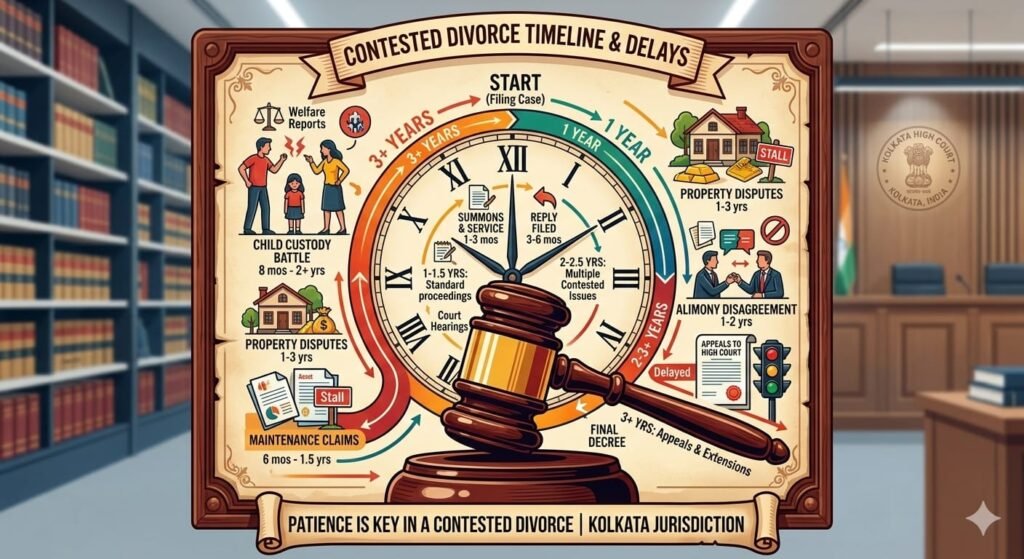
What About Contested Divorce — How Long Does That Take?
There’s no sugar-coating this: it takes time.
A contested divorce in Kolkata could take anywhere from 12 months to 3 years or more, depending on:
• How complicated the issues are (child custody, property, etc.)
• How many times the other party delays hearings
• Whether there are any appeals
It’s not impossible. But it takes patience — and a strong legal team to back you up.
Can the Court Say No to a Contested Divorce?
Yes, but only in specific situations. For example:
• If the person filing can’t prove the grounds for divorce (like cruelty or desertion)
• If it looks like the petition is based on lies or hidden motives
• If the judge genuinely believes there’s still a chance to save the marriage
That’s why it’s so important to have all your facts, evidence, and intentions clear when filing a contested case.
Final Words: It’s Not About Winning — It’s About Moving On
No matter which path you choose — mutual or contested — divorce isn’t about “who wins.” It’s about closing a chapter with as much peace, dignity, and clarity as possible.
If you’re in Kolkata and unsure about the next step, know this: you don’t have to figure it out alone. Having the right lawyer by your side can make the process a lot less overwhelming and a lot more empowering.

👉 Need help understanding your divorce options?
Visit innerworklegalservices.com to schedule a private consultation with professionals who genuinely care about getting you through this — not just legally, but emotionally too.