
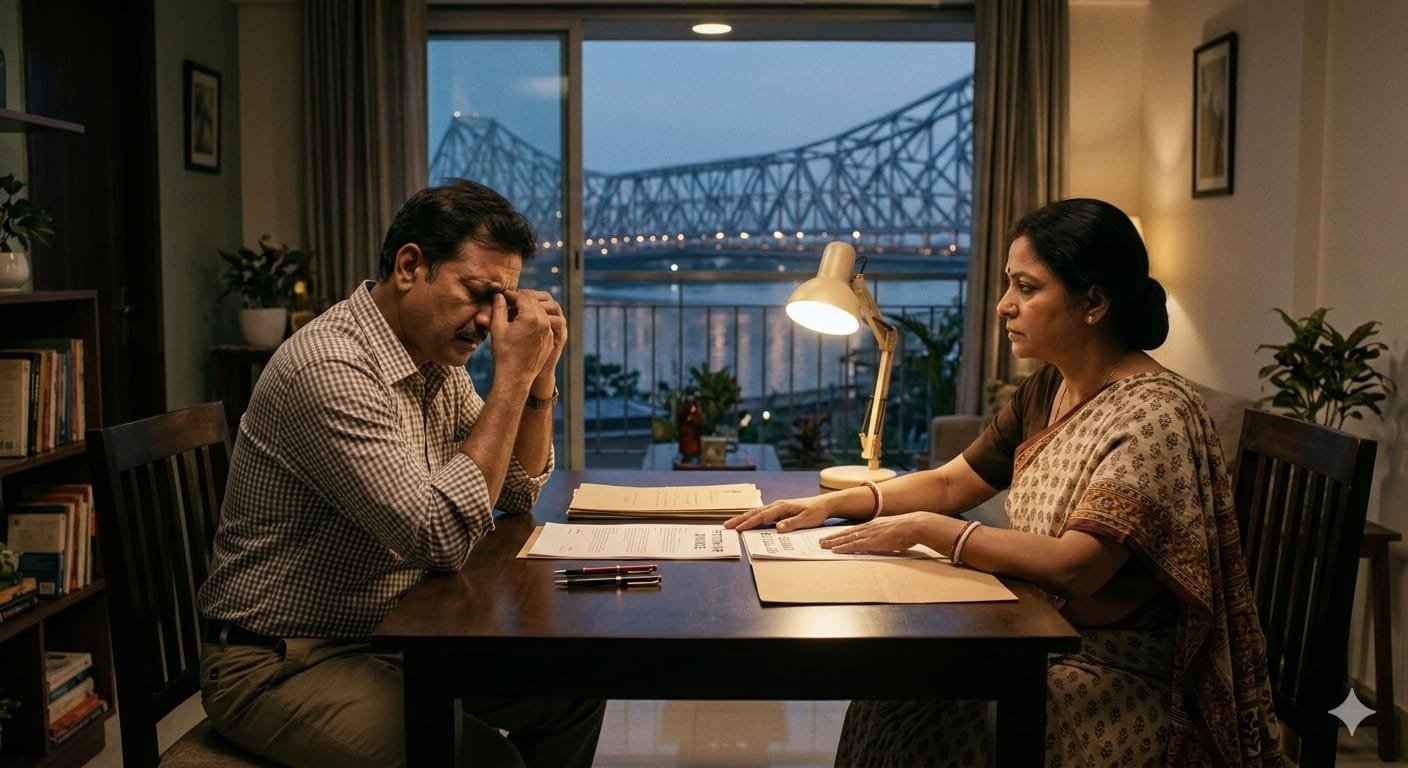
What is Contested Divorce? No one enters marriage thinking it’ll end up in court. But sometimes, life doesn’t go as planned. And when two people reach a point where even parting ways isn’t mutual, it often leads to what’s legally known as a contested divorce.more and more couples, especially in urban areas, are going through this route. But why is it happening? And more importantly — what does it mean for those involved?Let’s break it down, without the legal jargon and with a touch of real-life understanding.
First Things First: What Exactly is a Contested Divorce?
A contested divorce happens when one spouse wants a divorce but the other either doesn’t agree or disputes key issues like:
• Alimony
• Child custody
• Property division
• Grounds for divorce (like cruelty, desertion, infidelity)
Unlike mutual divorce, where both parties agree to part ways peacefully, contested divorce requires court intervention to settle the conflict.
It’s emotionally tougher, legally more complex — but for many, it’s the only way forward .
What Are the Benefits of a Contested Divorce?
Yes, it’s stressful. Yes, it takes time. But contested divorce does have its place and purpose. Here’s why some people choose it:
• Justice matters: If a partner has faced cruelty, neglect, or financial abuse, contested divorce offers a legal avenue to present evidence and seek fair resolution.
• Protecting rights: One-sided decisions in mutual divorce may hurt a dependent spouse. A contested case ensures proper scrutiny of alimony, child custody, and assets.
• Long-term safety: Especially in cases involving domestic violence or manipulation, contested divorce helps ensure protective legal orders are in place.
So while it may not be the “easier” path, it’s often the right one when compromise isn’t possible.

Why Are Divorce Cases Rising in urban areas?
This question comes up a lot — and there’s no single answer. But here are some of the key reasons:
• Urban stress: Work pressure, longer commutes, and fast-paced lifestyles leave little time for emotional bonding.
• Financial independence: More women in Kolkata are financially self-sufficient — which means they can walk out of unhappy or toxic marriages.
• Changing social attitudes: Divorce no longer carries the stigma it once did, especially among younger generations.
• Lack of compatibility: With love marriages on the rise, couples sometimes realize their expectations don’t align long-term.
Simply put — people are choosing peace of mind over staying stuck in unhappy marriages.
Which is Better: Mutual or Contested Divorce?
There’s no one-size-fits-all answer.
Mutual divorce is quicker and emotionally less draining — if both parties agree on everything.
Contested divorce is necessary when:
• There’s abuse or cruelty involved
• One party refuses to cooperate
• Important issues like custody or alimony are being unfairly handled
Think of it this way: mutual divorce is ideal when you’re ready to shake hands and walk away. Contested is for when the other person won’t let go — or when letting go means compromising your rights or safety.
How Long Does a Contested Divorce?
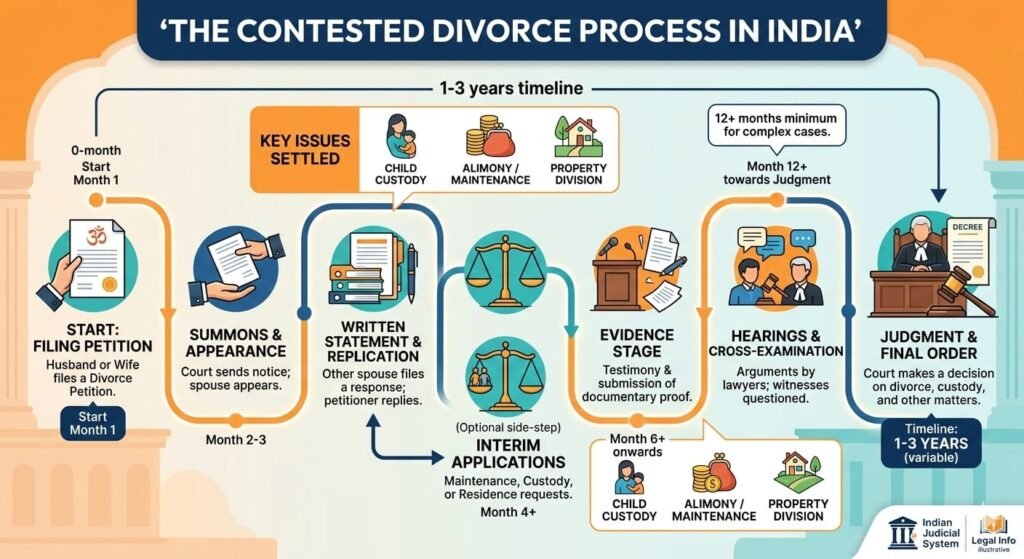
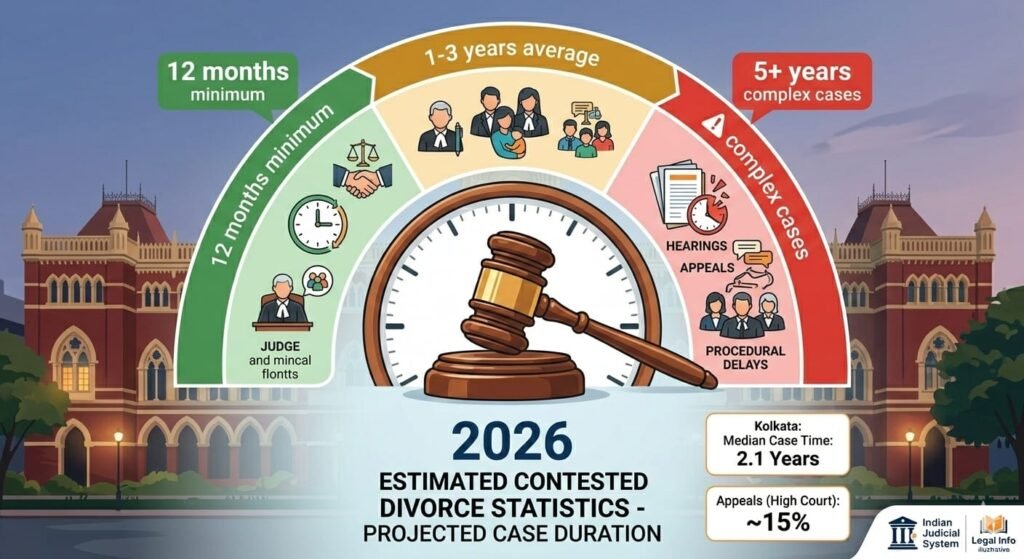
On average, a contested divorce can take anywhere from 1 to 3 years, depending on:
• The court’s schedule
• Complexity of the case
• Number of hearings
• How cooperative both parties are
If both sides keep fighting or delaying, it could take longer. But with a skilled legal team and clear documentation, it’s possible to speed things up.
Can the Court Reject a Contested Divorce?
Yes, though it’s rare. The court may dismiss or reject a contested divorce case if:
• The petition lacks valid grounds (like cruelty, adultery, desertion, etc.)
• There’s insufficient evidence to support the claims
• The court believes there’s still scope for reconciliation
This is why legal preparation is so crucial — not just emotionally, but factually.
What Happens After a Contested Divorce?
Once the court gives its final judgment, one of two things will happen:
- Divorce is granted, along with rulings on alimony, custody, property, etc.
- Petition is rejected, and the marriage remains legally intact unless appealed.
In most cases, if the facts are well presented and there’s genuine breakdown of the marriage, courts usually grant the divorce. The key is to remain patient and trust the legal process.
How Do You Resolve a Contested Divorce?
Here’s the surprising part — many contested divorces are resolved midway, outside the courtroom.
Here’s how:
• Through mediation facilitated by the court
• Negotiation between both parties’ lawyers
• Mutual settlements right before judgment
Sometimes, once both sides see how long and expensive things are getting, they become more open to compromise. So yes, even a contested divorce can end amicably — eventually.
Can I Withdraw My Contested Divorce Petition?
Yes, you can.
If you’ve had a change of heart, or you’ve both agreed to reconcile or switch to mutual consent, you can apply to withdraw the petition. The court will ask both parties to confirm the decision and close the case.
Remember, this should be done before the final judgment is passed.
Can Contested Divorce Be Dismissed?
Yes — by the court, under the following circumstances:
• Lack of credible evidence
• False allegations
• No legal grounds for divorce
• Petitioner fails to attend multiple hearings
That’s why it’s essential to stay involved, stay prepared, and maintain transparency with your legal counsel throughout.
What’s the Minimum Time a Contested Divorce Takes?
If things move fast and both parties cooperate reasonably well, the minimum time for a contested divorce in India is around 12 months.
But remember — this is best-case scenario. Most cases take longer because of delays, appeals, or complexity.
Final Thoughts: Contested Divorce May Be Tough — But It’s Sometimes Necessary

Nobody dreams of ending a marriage this way. But sometimes, standing up for your rights, your children’s future, or your own peace of mind means taking the harder route.
A contested divorce may be emotionally and financially demanding — but it also gives you the opportunity to walk away fairly, safely, and on your own terms.
If you’re in Kolkata and navigating this tough decision, don’t do it alone.
👉 Get expert legal guidance from Innerwork Legal Services — visit innerworklegalservices.com to book your private consultation today.
We’re here to walk you through this journey with compassion, clarity, and confidentiality.